Published on October 27, 2026 · By David Pacheco
Autumn and winter perfumes: warm notes that work in the cold
Why cold weather mutes fresh notes and how amber, vanilla, spices and woods shine in autumn and winter. Plus tips on how to wear them well.
The first day you need a coat arrives, you spray on the citrus perfume that kept you company all summer and, by mid-morning, it seems to have vanished. Your bottle has not gone off: in the cold, the way a perfume behaves on your skin changes, and some notes fade into the background while others step forward. Understanding why helps you choose better what to wear from October to March.
Why the cold mutes fresh notes
You smell a perfume because its aromatic molecules evaporate and reach your nose. The warmer it is, the faster they evaporate; the colder, the slower. Fresh notes such as citrus, aromatic herbs or aquatic accords are light and volatile: in the heat they burst out and fill the air around you, but in the cold they barely have time to shine before they disappear, and dry winter air does not help them stay either.
On top of that, skin tends to be drier in winter, and dry skin holds perfume less well. The result is that the fragrance that felt perfect in July can seem thin and almost flat in December.
The warm notes that work best
Base notes are heavier, evaporate slowly and stand up well to the cold. That is why they are the great allies of this time of year:
- Amber: not a single ingredient but a warm, resinous accord, often with labdanum, benzoin and vanilla. It wraps around you like a blanket.
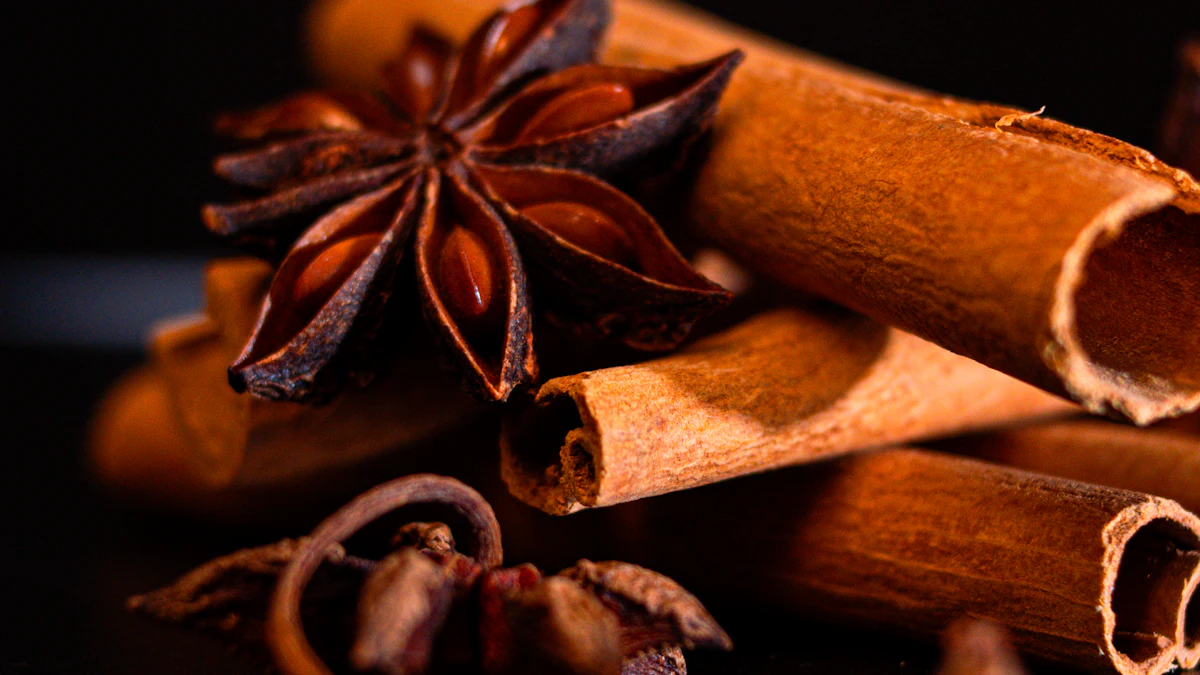
- Cinnamon and spices: cinnamon, clove, cardamom, nutmeg or pink pepper add warmth and a touch of energy. They bring to mind the holidays and winter baking.
- Tonka bean: with its scent of almond, hay and soft caramel, it rounds off any formula and makes it cosier.
- Patchouli: earthy, deep and slightly damp, it adds character and excellent staying power.
- Woods: creamy sandalwood, dry cedar or smoky vetiver give structure and elegance without becoming cloying.
- Vanilla: sweet, soft and comforting. It is probably the winter note par excellence, on its own or combined with all of the above.
You will find most of these notes in the oriental, woody and gourmand families, the go-to choices when temperatures drop.
Autumn is not the same as winter
Although we tend to lump them together, each season has its own nuance. Autumn is a transition: there are still mild days, so soft woods, light spices, notes of fig, leather or nuts work well, as do perfumes that pair a fresh opening with a warm base. Winter, on the other hand, calls for more body: amber, resins, vanilla, tobacco or incense.
If you want to review how each family fits the different times of year, we explain it in our guide on how to choose a perfume for the season and the occasion.
How to wear them without overdoing it
Warm perfumes tend to be intense, so the amount matters. A few guidelines:
- Start small. Two sprays of an intense oriental can equal four of a fresh cologne.
- Think about enclosed spaces. In winter you spend more time indoors with the heating on, where dense perfumes build up. For the office, a soft wood or a light vanilla is better than a very powerful spicy amber.
- Moisturise your skin first. An unscented cream helps the perfume cling better and offsets the dryness of the cold.
- Save the most intense for the evening. A dinner or an event is the ideal moment for perfumes with a bigger trail.
Scarves, coats and jumpers: your allies
Winter clothing works in your favour. Fabrics hold scent far longer than skin, and wool in particular keeps base notes beautifully. A light spray on your scarf or the collar of your jumper will make your perfume stay with you all day, and you will notice it every time you move.
- Apply the perfume to your skin first (neck, nape, wrists) and let it dry before getting dressed.
- If you want it to last on your clothes, spray from about 20 centimetres away and in moderation, especially on light-coloured or delicate garments, in case of stains.
- Bear in mind that your scarf will hold the scent for several days: if you switch perfumes often, they may blend.
The warmth that builds up between your skin and your clothes also helps: when you take off your coat somewhere heated, the perfume wakes up again. For more tricks like these, take a look at our tips to make your perfume last longer.
How to find your winter perfume
Think of a warm perfume you already like and look at its base notes: if vanilla, amber or woods keep coming up, you know where to look. You can type those notes in the search to see every alternative that contains them, or start with the suggested perfumes at the end of the article, a selection of warm profiles for the cold.


