Published on November 3, 2026 · By David Pacheco
Vanilla: why it is the best-loved note and how to pair it
Where vanilla comes from, how it differs from vanillin, why we love it so much and how to choose a vanilla perfume that does not feel cloying.
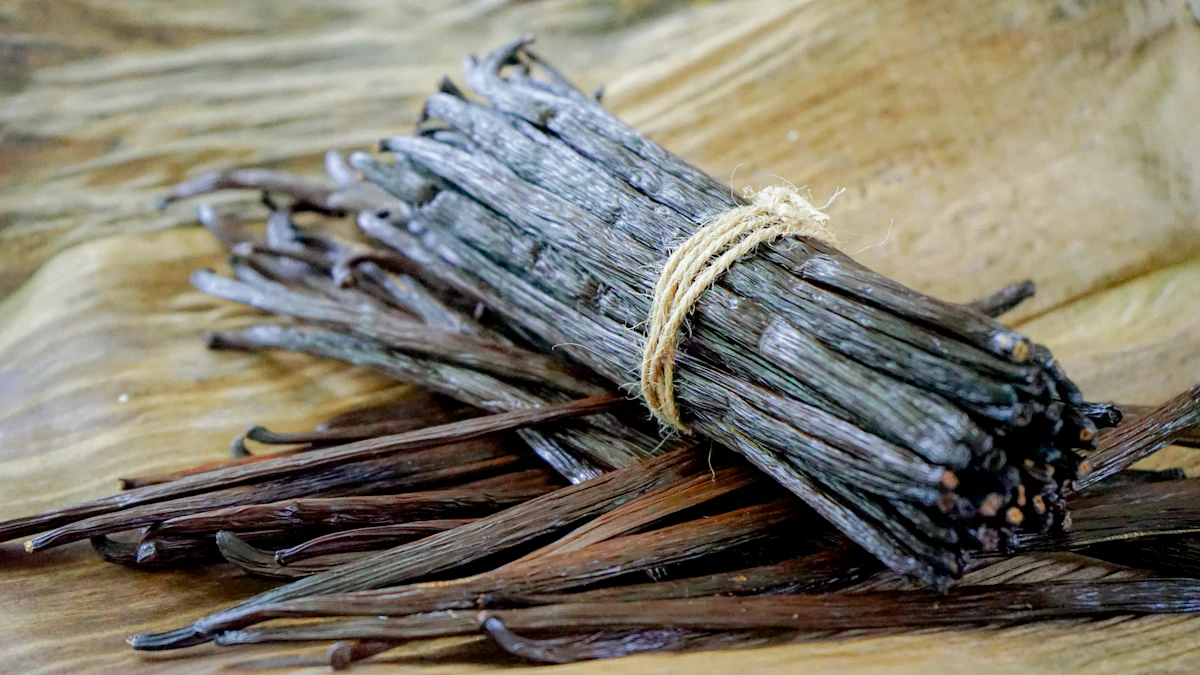
If you had to pick a single note that almost everyone agrees on, it would probably be vanilla. It appears in masculine and feminine perfumes, in day and evening fragrances, in simple compositions and very complex ones. But not all vanillas smell the same, and knowing a little about where it comes from will help you choose better.
An orchid from Mexico
Vanilla is the fruit of a climbing orchid, Vanilla planifolia, native to Mexico and Central America. The Totonac people grew it there long before the Europeans arrived, and the Aztecs used it to flavour cacao. For centuries it only bore fruit in its homeland, because the flower needs a very specific pollinator. It was not until the 19th century, on the island of Réunion, that hand pollination became widespread, allowing it to be grown in other tropical regions.
Curiously, the green pod barely smells of anything. Its aroma develops through a long curing process: blanching, sweating in the sun and slow drying over weeks or months. It is during this stage that vanillin appears, along with the other nuances we recognise.
Bourbon, Tahiti and Mexico: three profiles
- Bourbon: the name given to vanilla from Madagascar, Réunion (formerly Île Bourbon) and the Comoros. Madagascar is now the world’s leading producer. Its scent is rich, creamy and slightly smoky: the “classic” vanilla.
- Tahiti: comes from another species, Vanilla tahitensis. It is more floral and fruity, with hints reminiscent of cherry or anise.
- Mexico: the original, with an intense, spicy and slightly woody profile.
Natural vanilla and vanillin
Perfumery uses natural vanilla extracts and absolutes, but also vanillin, the main molecule in its scent, first synthesised at the end of the 19th century. One being natural and the other synthetic does not make either better: they are different tools.
Natural vanilla is more complex, with smoky, woody or leathery facets. Vanillin, on the other hand, is cleaner, sweeter and more linear, and it is responsible for that “bakery” effect we associate with so many perfumes. Most fragrances combine both, along with other molecules from the same family such as ethyl vanillin, to achieve the effect they are after.
Why we love it so much
Much of its appeal is cultural and emotional. Vanilla is in custards, ice cream, puddings and home-baked cakes, so for many people it evokes pleasant, familiar memories. It is a sweet note but never shrill: warm, soft and easy to wear.
It also has a technical advantage: it is a base note with excellent staying power. It smooths the rough edges of other ingredients and helps a perfume last longer on the skin. That is why it turns up even in fragrances that are not presented as sweet.
What to pair it with
Vanilla is very versatile and changes character depending on its company:
- With flowers: alongside jasmine, orange blossom or tuberose it becomes sensual and radiant. It is a common pairing in oriental florals.
- With woods: sandalwood or cedar dry it out and make it more elegant, less sugary. A very comfortable choice for everyday wear.
- With tobacco: the contrast between the dry leaf and the sweetness feels deep and grown-up, ideal for cold weather.
- Gourmand-style: with caramel, praline, coffee or chocolate it becomes a dessert. This is the territory of the gourmand family.
- With amber and spices: cinnamon, tonka bean or resins take it into warm, enveloping oriental territory.
It is no coincidence that it is one of the stars of autumn and winter perfumes: in the cold, its warmth really shines.
How to choose a vanilla that is not cloying
The most common fear with vanilla is ending up smelling like a sponge cake. If that happens to you, these pointers will help:
- Look at the other notes. A vanilla paired with woods, incense, leather or spices will be drier and more sophisticated than one with caramel and sweet fruits.
- Look for contrast in the opening. A touch of citrus, pepper or lavender lightens the whole and makes the first impression less dense.
- Pay attention to the concentration. A highly concentrated vanilla is more noticeable; for daytime a lighter version may be enough.
- Try it on your skin and wait. Vanilla lives at the base of the fragrance pyramid, so its true character comes out after a while, not in the first second.
- Go easy. One or two sprays are usually enough, especially indoors.
If you want to see every alternative that contains this note, type “vanilla” in the search. And if you need a starting point, look at the suggested perfumes at the end of the article, with different ways of interpreting vanilla.


